Monoclonal Antibodies: What They Are and How They Work
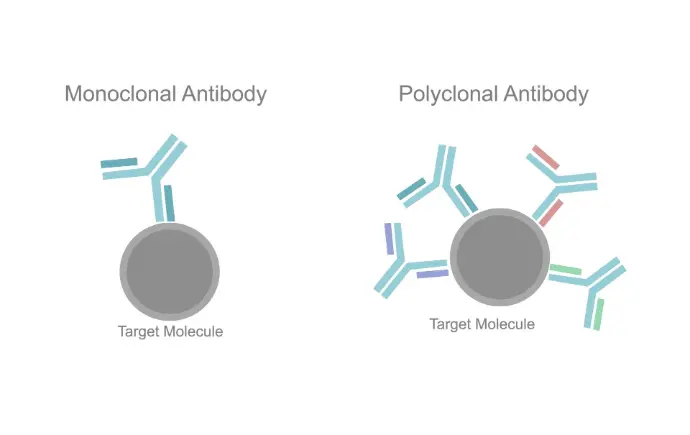
Monoclonal antibodies are laboratory-made versions of the body’s own antibodies that are designed to recognize and bind very specifically to one target (antigen), such as a protein on a virus, cancer cell, or immune cell. Because they are all copies of a single original B cell, every monoclonal antibody in a given drug or reagent binds the same epitope, which gives them highly precise effects compared with mixtures of natural (polyclonal) antibodies.
How Do They Work?
Monoclonal antibodies work by attaching very specifically to one target molecule (antigen), and then using that attachment to change what happens to the target cell or protein. They are all identical copies of one original antibody‑producing cell, so every molecule in a given drug recognizes the same epitope with high precision.
Once bound, monoclonal antibodies can act in several main ways:
Block signals that cells need to grow or survive (for example, blocking a growth factor receptor on a cancer cell).
Tag abnormal cells so the immune system can destroy them through mechanisms like antibody‑dependent cell‑mediated cytotoxicity and complement activation.
Deliver a toxic payload (such as chemotherapy or a radioactive substance) directly into target cells when designed as antibody–drug conjugates.
Common uses for Monoclonal Antibodies

Why Are They Important?
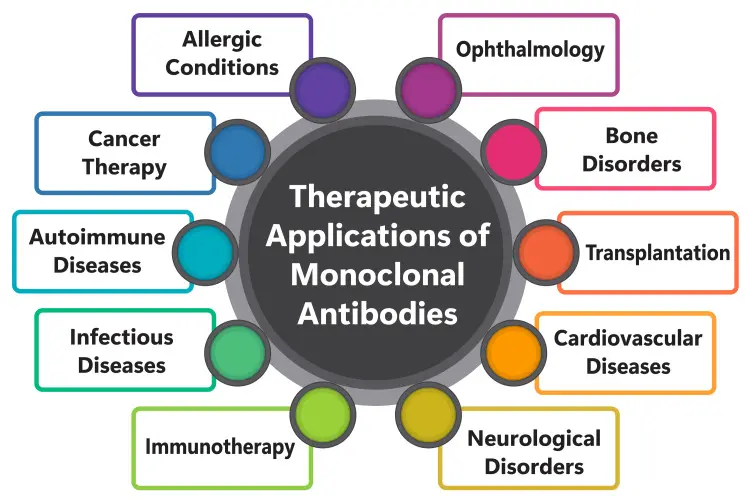
Monoclonal antibodies are important because they give doctors a very precise way to target disease. Unlike many older drugs that affect the whole body, monoclonal antibodies attach only to specific proteins on cancer cells, immune cells, or germs. This targeted action can improve treatment results and may reduce some side effects. They have changed care for many serious conditions, including cancer, autoimmune diseases, and severe asthma, and new monoclonal antibody drugs are being developed every year. Monoclonal antibodies are also key tools in vaccines, diagnostic tests, and laboratory research, helping scientists detect diseases earlier and design better therapies.